September 1841. Sophie Knorring’s Diary.
← Read August 1841 | October 1841 →
Begun around May 1, 1841, at her parents’ estate of Paslep, completed around March 1, 1842, in St. Petersburg *. The discoverer of this document and the author of the detailed commentary on the text is the historian Sergei Gavrilov
All parts of the diary by month: May 1841 | June, August 1841 | September 1841 | October 1841 | November 1841 | December 1841 | January 1842 | February 1842
September 1841
* Hover over the bold text to view the commentary. On mobile devices, press and hold your finger on the highlighted text while reading the commentary, then release.
1st, Monday.
The weather is beautiful and clear. In the morning Papa gave me a few trifles he had brought with him from Helsingfors. After the meal we went to the Great Garden, where we spoke of yesterday! After tea Mama and I transplanted strawberries in the garden, and then walked as far as the tavern; the evening was beautiful, but chilly. After supper we read a chapter from the Scriptures together and from K. von Klipp.
2nd, Tuesday.
The weather is wondrous, magnificent as warm and mild as on St. John’s Day. I felt quite unwell, this day full of suffering… the struggles of Saturday gave me no peace, yesterday’s step seemed to me hasty; I felt [some sort of] chasm [misfortune/alienation] between myself and Kursell, which I am powerless to describe. He was no longer as close to me as he would have liked to be, although I frequently glanced at him. In the morning, quite unexpectedly, the Knorrings from Weissenfeld visited us with their sisters-in-law. I had to force myself to go to them, taking part and maintaining the conversation. After the meal we walked, and then sat in the dark until tea; after tea we made music, and I sang the deepest thoughts of Beethoven; I was moved by this. He [Kursell] looked at me so intently [without taking his eyes off me]. Knorring told Mama many flattering things about K… After they departed, we went for a walk to the village in the evening. In the evening I felt very wretched; there is an infinite melancholy within me, my heart was so full! Where is all that joy that should fill the heart of a young bride!
The weather is magnificent, warm and clear. Dear Mama came to the aid of my condition; when I awoke, she came to me saying she wished to travel with me to Hapsal to see Hunnius [the physician], I frequently wept involuntarily; my head ached, and I felt exhausted. On the way to the shore, Mama was indescribably friendly and affectionate, spoke much to me of Kursell… She told me that Knorring had told her so many good things about K….. Ah! And this touched my heart; I felt good, as if I were drawn to Kursell once more; a pure feeling for him awoke within me, before the other side [of doubts] pushed me away from him again. On the shore we had to wait a long time.
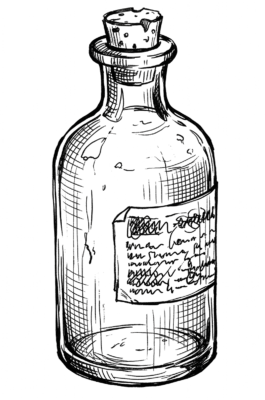
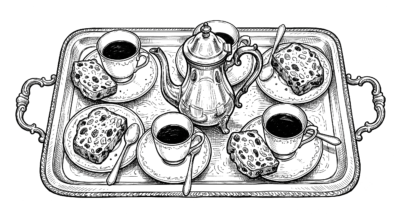
In Hapsal we went to Hunnius, to Dr. Kittler… and to the Frantzes, where we stayed for quite a long time… after eating I went for a walk with Amalie. She spoke to me amiably about K… and how I had often imagined this; I said that I had endured terrible struggles when Mama went to Hapsal to give Kursell our consent… and the tears I shed on Saturday were terrible… that something inside me resisted feeling affection for him… I clearly felt that I was looking into the very same heart… (the entries become disjointed) … prayed late… The prescription [medicine from the doctor] exhausted me so much that I went straight to bed.
4th, Thursday.
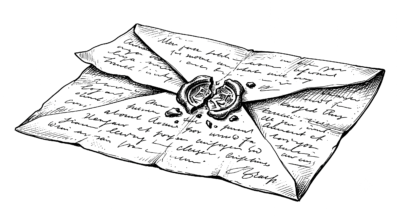
The weather was very fine. I did not sleep particularly well during the night; immediately after drinking coffee, I went into the small garden, where we sat in the sun, and there I learned that Amalie had contrived everything so beautifully… Suddenly we heard the barking of dogs, and they came out to meet us to announce that Kursell had arrived; this news shocked me greatly. Mama went into the house, while I hid with Amalie… K… came out to meet me with great concern. We sat in the hall; I spoke little, as I was very worn out. After the meal we sat on the porch; the weather, however, was so beautiful that we went into the Great Garden, where we spent a couple of hours in conversation. K… sat opposite me; he was very saddened [upset]… said something to me from which I understood, and it struck me, as if I were deceiving Him. It is impossible and indescribable to record all the feelings and thoughts that crossed within me; it exhausted me so much that even before tea I was forced to lie down for a few moments. After tea we went into the hall again; Emilia played the clavier before supper. I had to go to bed. Even just to stand up, I felt indescribably exhausted. I had to read lines over which it was impossible not to weep bitter tears. Kursell wrote that he returns my freedom to me, and I release Him completely. This weighed heavily upon me; perhaps this was the last [letter] from Him – may the Lord avert this!
5th, Friday.
As I slept little during the night, I rose late. Mama persuaded Papa, and he rode to Hapsal to see K., to ask Him not to definitively accept his refusal [breakup]. After coffee, although the sun was not shining and it was cloudy and chilly, I went once again with dear Mama to the gazebo, where we, entirely alone, spoke very, very much, naturally, about my heart. Papa and Mama returned, thank God, for I was trembling and weeping profusely, because the result now was that we were refusing Kursell, which [seemed] to me a terrible, glaring injustice. How I felt on this day only my heart can judge, for I confided my affairs to it. But pain does not last forever alone; it becomes easier to bear everything when you see that another soul shares in it. Thus passed the evening; and after supper I spoke with Mama for a long time in the lit bedroom about all my relations with K… about what I believed and what I had realized. I also spoke with her about my former relations with Pyotr And[reyevich]… and so I went to sleep comforted. They often speak of Kursell’s pure love; I did not know this, thank God, I need no special preparations [proofs] for this.
6th, Saturday.
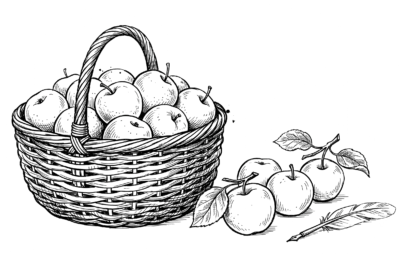
When I awoke in the morning, Mama entered with the news that fruit had been sent to us from Sinalep, and that there was a letter for me from Kursell; the letter did not produce a bad impression on me, on the contrary, I rather wept in remorse. Mama wrote, thanked them for the apples, and explained quite clearly that everything would be canceled [the betrothal broken off]. I almost trembled with horror; I was affected not only by all this, but also by the fact that I am causing Kursell such grief and insult, which he does not deserve, but the inner voice, which I deemed the voice of the Lord, gave me comfort and did not allow me to act otherwise; the letter was sent. The entire day I lay in bed, I felt very unwell. I shed bitter tears, Mama was full of love and sympathy. After tea I got up, Papa wished that I take a little fresh air, and I rode with Emilia, and we walked outside… in the garden, where we spoke much and confidentially; I told her about the time when I met him in Hapsal. Before supper I went to the room with Mama, and we spoke of how tomorrow surely some of the Kursell ladies will arrive.
7th, Sunday.
I slept little during the night, as I was very agitated. In the morning, when I rose, dear, kind Mama came to me with the words: “Imagine, Sophie, Kursell was here; I spoke with him, he left a long time ago.” I was so surprised, and knew not whether to be frightened or glad. Kursell had wanted to speak with me, but Mama prevented it and strongly advised against it, as it would have been terribly hard for us to see each other and even more so to speak. However, he left a letter for me with Mama. I prayed over it and read it with bitter tears. Merciful God, how heavily it weighed upon my heart; why did I do this? Was it the right thing? He hurried and must have written in haste, and especially [insulted/offended] Papa, which I cannot blame him for, for he [Papa] often remained silent and was frequently offensive. In the morning I went to Papa and asked his forgiveness for the many unpleasant hours I had caused him; he kissed me and was very, very welcoming. After the meal Papa fell asleep in his armchair. In the evening we read “Maltravers”. I occupied my thoughts all day with K… [Kursell]. My heart was very heavy.
8th, Monday.
In the morning Baron Rosen was with us for half an hour. I walked with Mama in the Great Garden; we dined very late. After the meal we went for a walk in the vicinity of the Schottanes manor, where Dr. Hunnius received us very amiably; he too had arrived there from Lückholm. I went there with tremendous reluctance, as Mama wished me to speak with the doctor, which was repulsive to me. Upon returning, we drank tea; we laughed a great deal at Helene, whose name Dr. Hunnius absolutely could not stand. Dr. Hunnius was very curious and inquired whether I was a bride; in general, he needed to talk much and about many things. It was already completely dark when we returned home. Papa was terribly sour [displeased]… Mostly this day too I occupied my thoughts with him [Kursell]. The weather was quite fine, but chilly and windy.
9th, Tuesday.
In the morning I worked in the bedroom and read Fanny’s letter; the rest of the day passed quite ordinarily, which was rather melancholic, but natural. Mama was very busy with household chores this day; after tea E., H. [Emilia and Helene] and I went for a walk in the small garden. And after… God, today I saw the moon again, but with entirely different feelings did I look upon it than a month ago, when I felt so happy loving Him and being loved by Him! And in these days I have gained experience [lived through things] for which I perhaps would have needed years of life. It had to be so painful and shocking, oh my God! My heart is ready to burst when I realize what the human heart actually is a thing sadly prone [to change]! In the evening we read a little of “Maltravers”, and then a sermon by Hofacker. After supper Mama read, as on many previous evenings, a chapter from the Bible.
10th, Wednesday.
Early in the morning Papa rode to Kedik, where they were also expecting Uncle Pontus from Revel in the evening; the morning passed in work; in the afternoon we ate melons. Mama was busy with household affairs from the afternoon until late in the evening… After tea we walked in the small garden. Emilia read “Maltravers”. In the evening the reading was continued. After supper Mama read from the Bible. Although there was no rain, the weather was unwelcoming and cold.
11th, Thursday.
The weather is unwelcoming and cold, and time and time again it rained. In the morning I washed the apples and left them for Mama. In the morning I saw her examining paintings… the morning passed with Emilia. In the afternoon the hall was still being cleaned; scarcely had we finished with this when Carlblom arrived… and Marie. The post brought us only a letter from Aunt Minna; Papa returned from Kedik with the news that Uncle Pontus is not coming, but that we must go there, which was very hard for me. We drank tea by the light [by candlelight] for the first time.
12th, Friday.
In the night there was a hard frost; in the morning it was cold and windy; we soon dressed and rode to Kedik. Mama and the three of us. Grandmamma was not as amiable to me all day as usual. Uncle Pontus had aged greatly. I felt completely uncomfortable there and was homesick; all the conversations interested me so little I was glad when we left again after tea. The crossing was, as on many other days, very pleasant; it was quiet, and the moon shone magnificently. I completely surrendered to my thoughts, so that I was genuinely sorry when we found ourselves before the steps [of the house]. Grandmamma expressed her displeasure to Mama that the marriage with K… had been broken off, concluding [her words by saying] that there would be nothing better [no better match would be found]. Mama was very tired, and, without reading, we went to sleep.
13th, Saturday.
In the morning I wrote. Some things were washed. Certain items were set aside for the journey. Although the sun was clear, it was still cold and autumnal; in the afternoon we walked in the Great Garden. Then I was sorting [picking through] the apples in the basket together with Fanny; Helene played with her, while Emilia read aloud to us. Mama was again very busy with household chores. After tea Papa arrived from Kedik; I was in a very quiet and melancholic mood this day. Emilia received a letter from Hapsal, informing her that dear Annchen had been severely ill for a long time and was already beyond hope. In the evening we read a sermon by Klipp.
14th, Sunday.
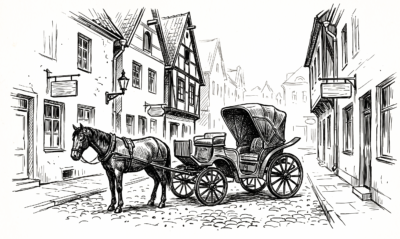
The weather is beautiful and clear; Papa rode to Hapsal in the morning to arrange the travel permit [podorozhnaya] When Mama entered my room in the morning, she placed a death notice on my table; this news did not shock me greatly, as I had a premonition of it, and for… one could wish nothing else for dear Annchen but death, so much did she suffer. For she was a believer, and the Lord has undoubtedly received her soul in His mercy. She died on the 10th. After the Sunday service we all went to the pastorate; Carlblom was in a very engaging mood. Pauline returned from Nuckö this day.
On these pages, autumn sets in: the first frosts occur at night, the family drinks tea by candlelight for the first time, and the father travels to town to arrange a travel permit (podorozhnaya).
But the most important thing is Sophie’s psychological state and the family’s reaction to the broken engagement. Grandmamma is displeased and openly states that Sophie will not find a better match, while Sophie herself looks at the moon and bitterly realizes how much her heart has changed in just one month.
15th, Monday.
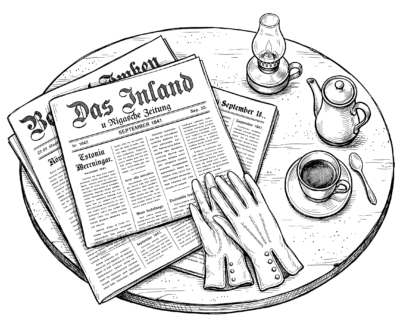
We were in the chapel… (crossed out) our… After the meal, Mama lay down to rest; the weather was beautiful, and Emilia and I sat for a long time in the small garden, where we spoke much of the destiny of man. Then we worked in the hall, and she read aloud to us. My heart was once again very heavy and gloomy. After tea Emilia played, and I paced the hall with Fanny; out of the abundance of the heart the mouth spoke. In the evening the newspapers were read aloud.
16th, Tuesday.
The weather is magnificent; immediately after coffee Mama rode with Helene and Fanny to Hapsal for the fair. I preferred to stay, as it was unpleasant for me to encounter certain people again; I was busy with household chores all day. Late, after tea, they returned from Hapsal. They dined at the Frantzes’; there was much talk of the fair.
17th, Wednesday.
It was windy and unwelcoming; the entire morning I cleaned, and in general there was much to do all day with packing things; Papa was in Kedik… where Annchen Ottenberg arrived in the evening, who was to travel with us. The weather was unwelcoming, and it rained all day. We packed and cleaned, as is usual the day before a journey. After supper I lay down immediately and was glad when I reached my bed.
18th, Thursday.
In the morning there were the last and most hurried preparations, then I dressed and went for a walk with Emilia in the small garden; everything looked so lovely, we spoke much of my current situation, of Kursell, etc. It is a joy to my heart that Emilia understands me so well. At 12 o’clock we dined and departed immediately after the meal. Our dear [family members] who were staying behind escorted us to the chapel. Helene was very moved, as was Fanny, who was exceedingly sensitive and told me in tears: she clearly sees that I do not love her; this remark stung me, as I was not conscious of this myself, and knew otherwise in my heart and found it very hard. Emilia and the others remained in Kedik, where we drank coffee and lingered for another hour, then rode on; we were in Haggers. After we had rested a little, I went for a short walk with Mama, and she began to speak with me about the affair with Kursell and told me that she had hope that soon all would be set right again. This conversation was very interesting to me. When we went inside, we drank tea; a madame arrived from the fair in Hapsal, and I quickly bought a trifle for everyone, which brought me great pleasure. At 9 o’clock Mama lay down, I wrote and washed, and then we looked to see if the stars would appear; the moon shone welcomingly, but it was very windy.
19th, Friday.
At 5 o’clock we left our inn and at 12 arrived in Ravel where we stayed at the Hôtel de Pétersbourg. Margaret was the first to come to us, then acquaintances. In the afternoon I attended to affairs and dropped in for a moment to see the Rehekampffs, where Adelheid told me something about Kursell that distressed me greatly; her information was very precise. In the evening we were at tea at Blanc’s… However, when I returned home in the evening, I shed tears; the whole affair with K… stood very vividly before my soul. Mama was angry with me in the evening for refusing to take Sophie Landeson with us to St. Petersburg, as the trunk and carriage were already full, but later I realized this myself and declined. I long regretted that I had not done so [at once].

We are transitioning to a new chapter in Sophie’s life! On these pages, the family leaves their native estate and sets out on a long journey through Hageri to Revel (Tallinn), and from there, as it turns out from the text, they are bound for St. Petersburg itself!
The change of scenery, however, brings Sophie no instant healing: scarcely having arrived in Revel, she immediately learns fresh gossip about Kursell, which brings on a new flood of tears. But Mama, as we see, has not given up hope that the betrothal can still be salvaged.
20th, Saturday.
Until 12 o’clock I was at home; Mama attended to affairs, then I went to Blanc, and I wished to speak with Adelheid about all that has happened; much as I resisted this, I nevertheless saw that I was able to control myself; we stayed for dinner… Saturday. Blanc was friendly; she said that, of course, if I had not known him, then I would have acted badly toward him. We went home, packed a little more before departing. Blanc also came to us, then Mama went to settle a few more matters.
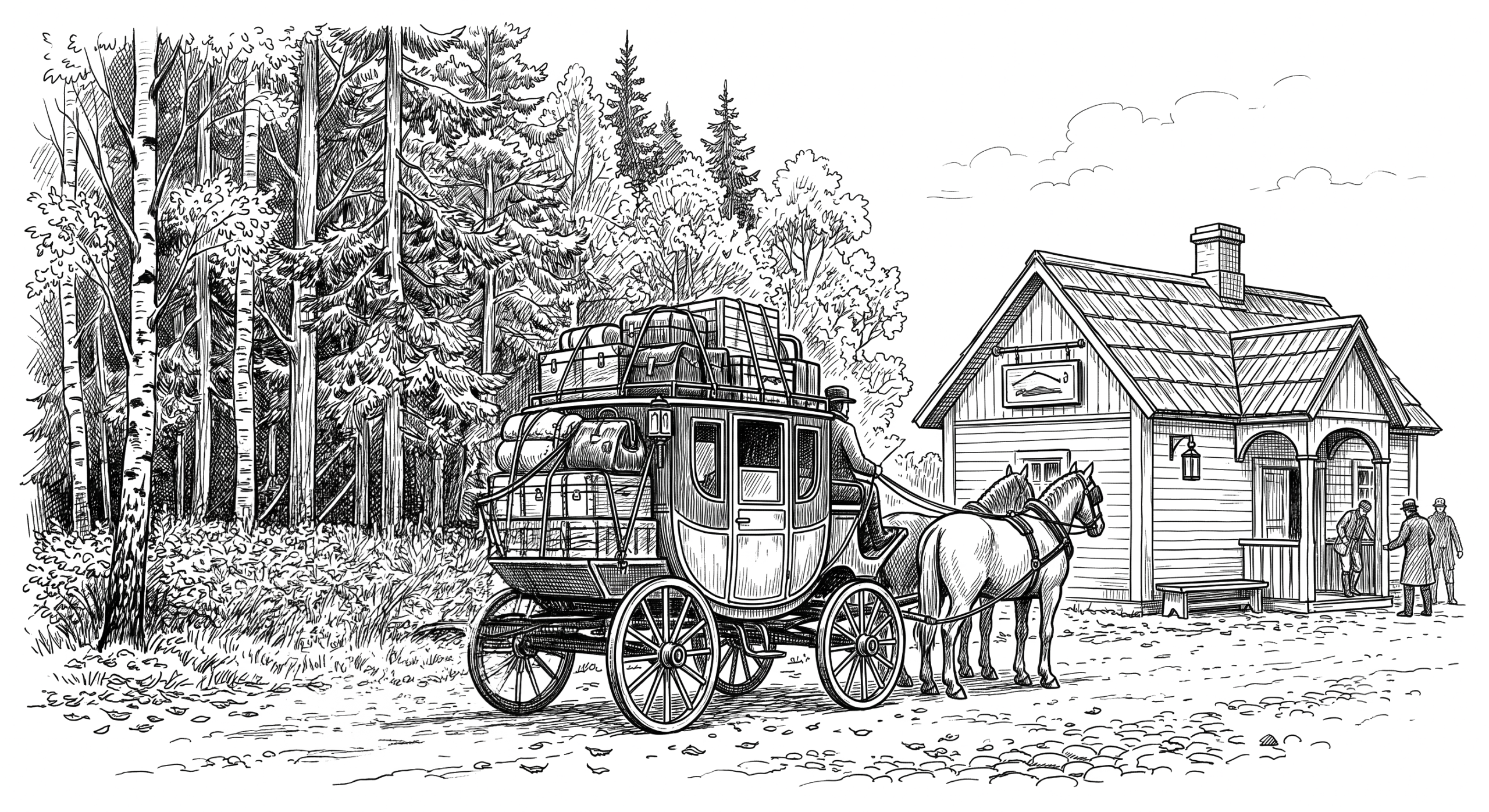
… and so the two of us departed, and I [got] a beautiful stormy night: the whole night through, without sleep, I was consumed by tears; the moon shone into the carriage. We drove through the forest of the Kolk estate; everything was quiet around us, only the wind rushed loudly in the spruce forest; at the post station of Hohenkreuz we got out to drink coffee and refresh ourselves a little; there we supped, where, however, everything was very untidy (malpropre); the coffee pot was like a samovar. At the station in Vaivara we were very tired, and intended to travel the next morning to Narva to the Velho family, but upon arriving there, we learned that they were in Khamutovo*(the word is in Russian).
21st, Sunday.
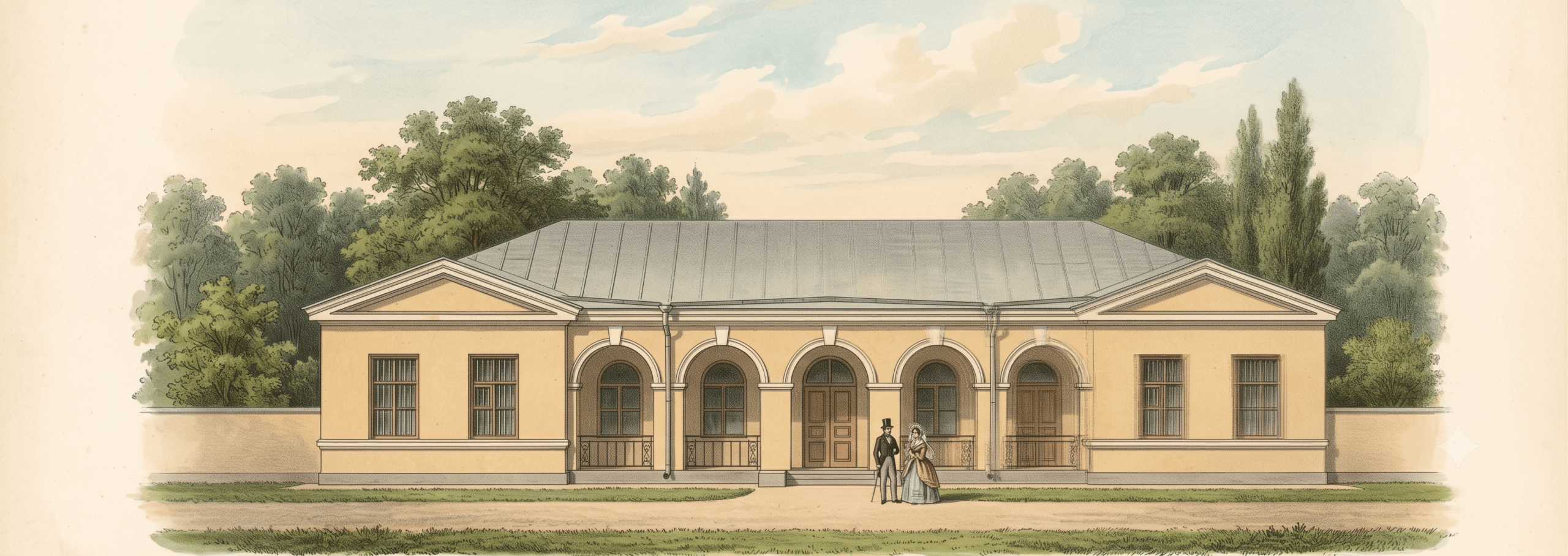
From Cherkovitsy we rode there, and were received amicably; we drank tea there. They [the rooms] are furnished with taste, although very simply. From there we reached Kipen, where we spent the night; the General’s wife Richter was also there, so we were given a very small room; I was terribly exhausted; Mama and I shared a single canapé [small sofa], I prayed much. Of course, I slept poorly, lying so uncomfortably, and moreover it was quite cold for us in the evening.
22nd, Monday.
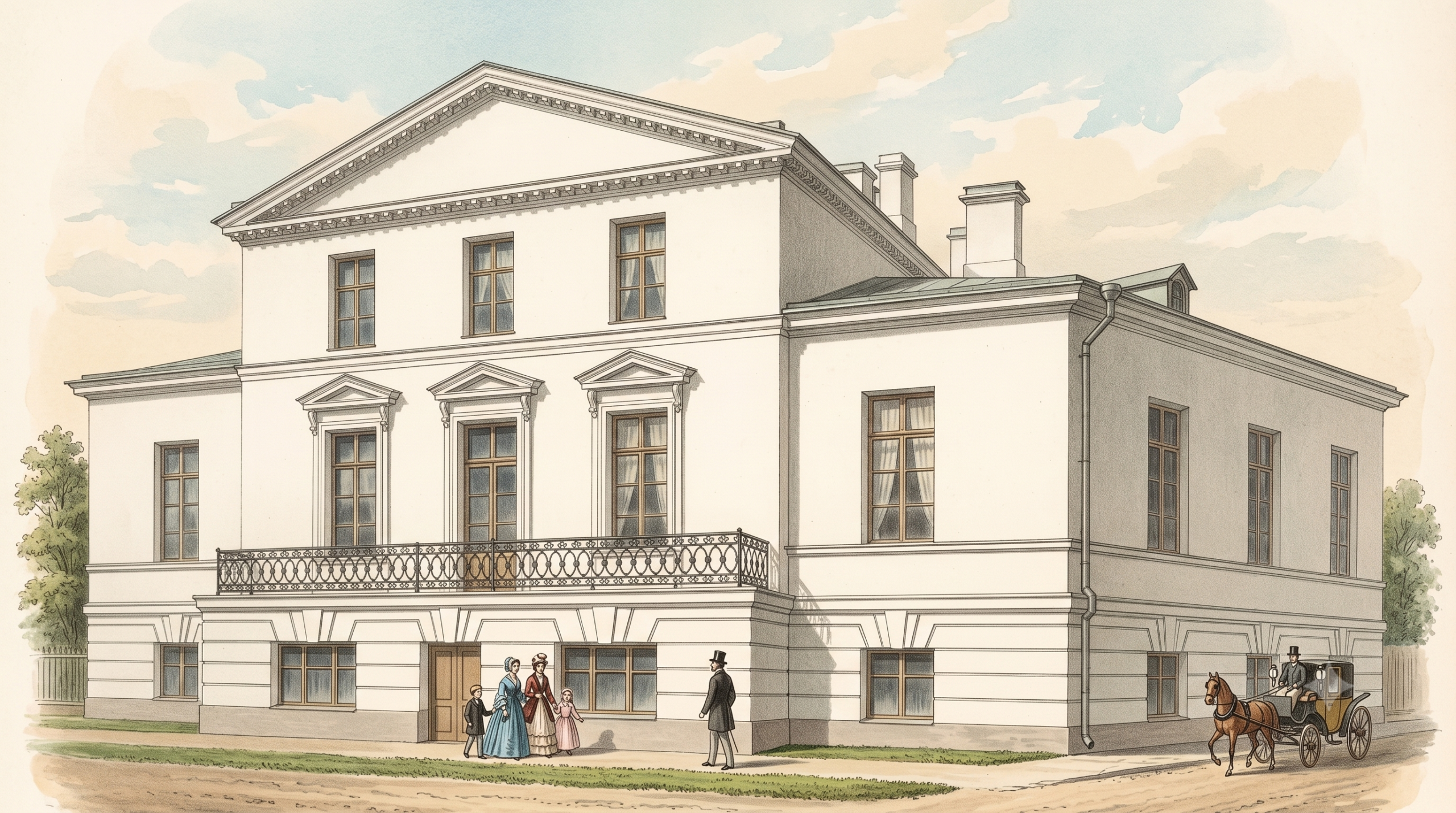
At 5 o’clock we rose; I was glad of the opportunity to leave my uncomfortable bed; they harnessed the horses rather slowly. Finally, we left the station. In Strelna we were served immediately; a regiment passed by us heading to Peter[hof]. We now drove past many beautiful country houses; I felt very sad and moved when we saw these spacious stone palaces.
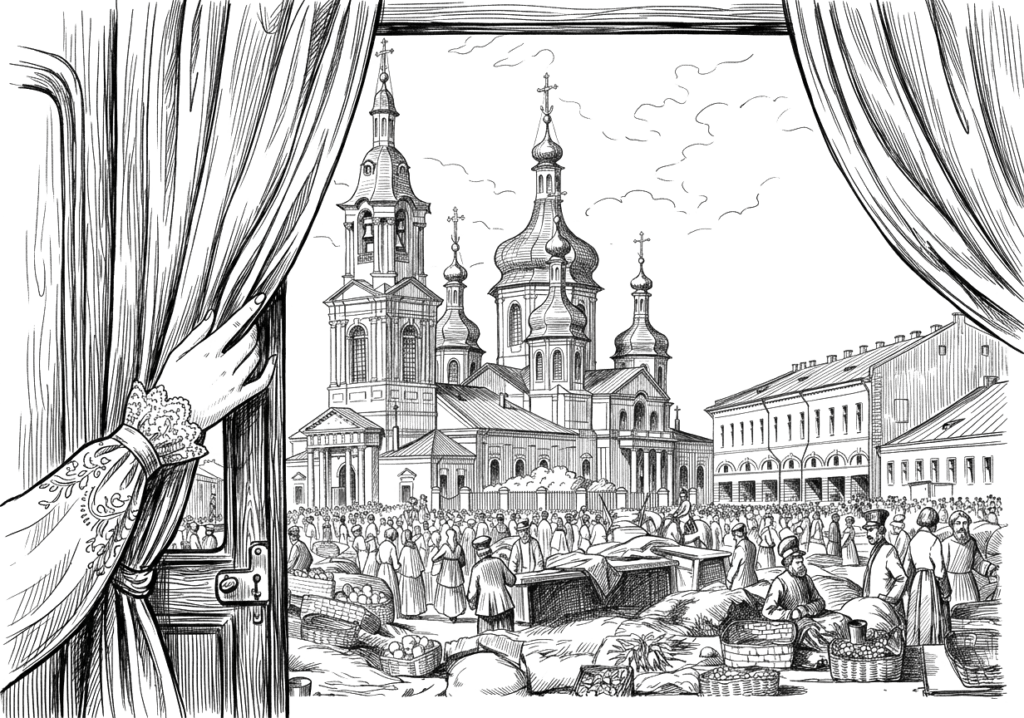
Before St. Petersb[urg] we were awaited by Auntie and cousins; it was beautiful all around; it all seemed like a dream to me as we entered the city. It is pleasant to find oneself again in this great city: the large broad streets, the countless houses, the multitude of people; all this produced a special impression. When we arrived, no one was home, but soon after that Grandpapa came, who was very glad to see us again, then Aunt Jette, and together with Betty they joyfully told us much about our poor Pyotr And[reyevich]. We dined with Grandpapa at home; for tea came Ivan And[reyevich] with Annette and Aunt Jette. This evening I was very tired and was glad when I reached my bed. Charles and Konstantin were also with us.
23rd, Tuesday.
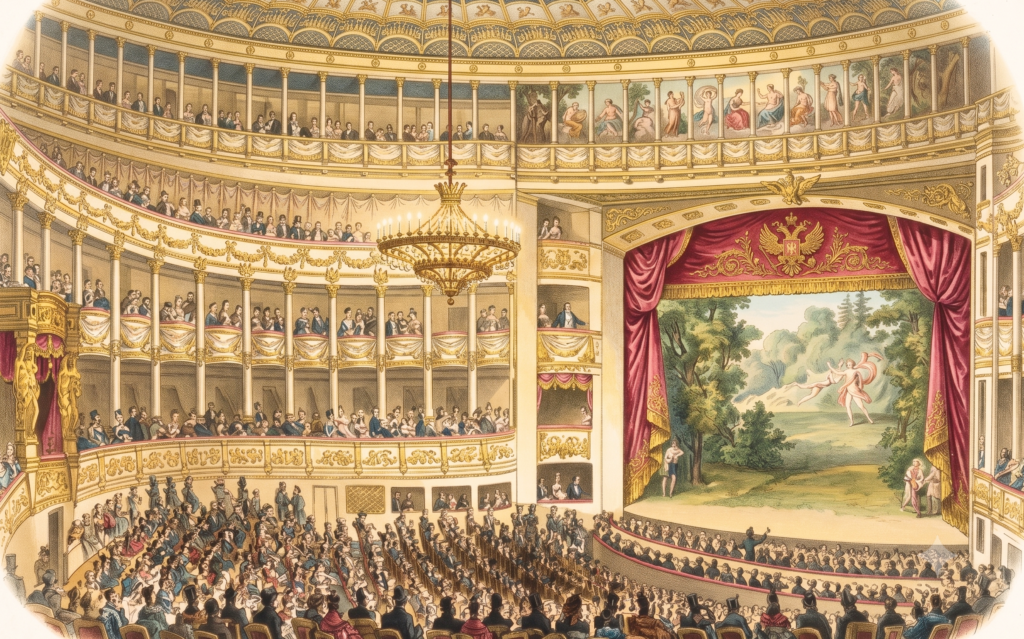
We rose very late. Before breakfast, Mama went with Laura to the shops [to the Gostiny Dvor], I stayed home; Carl was with me to bring me the repertoire from the Italian Theatre. After breakfast Aunt Jette arrived; we paid a visit*(*click the link to read the detailed commentary) to Madame Collins; Annette and Uncle Ivan And[reyevich] dined with us. In the evening Aunt Jette came again.
24th, Thursday.
(Wednesday skipped) In the morning the tailor came, then with Mama to… then Mama went with Aunt Jette to the shops. Uncle Pontus and Const[antin] were here in the meantime and invited us to dine with them the following day. For dinner we went to Aunt Jette’s; it was a beautiful evening for us, but especially for Mama to see all the children again, who reminded her so strongly of dear Betty; this evening poor dear Mama wept a great deal. On this day I was very exhausted.
25th, Friday.
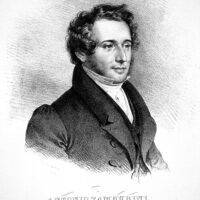
The weather, which until now had been good, changed, as it rained several times. At half past 9, Signor Tamburini arrived and gave me my first singing lesson, which brought me immense joy, after which I wrote a letter to Helene. We dined at Aunt Annette’s. Robert Daler delighted us with his playing.
26th, Saturday.
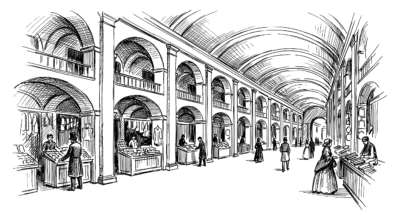
In the morning and after the meal, a singing lesson. Mama in the morning was in the shops [Gostiny Dvor], the evening was spent alone at home.
27th, Sunday.
Rose late; at 8 o’clock we went to Nelson [the pastor], who read a beautiful sermon. Aunt Jette was with her children at our house for an hour in the morning; for tea came Aunt Jette and cousins Costa, Carl, and Victor.
28th, Monday.
The weather was very unpleasant; it rained all day. After breakfast we hired a carriage to pay a visit and stopped by Aunt Jette’s for an hour; Annette returned with us for dinner. In the evening Mama went to Madame Pesarovius, and Louisa to Aunt Jette, while I remained at home to write letters to Paslep. That evening Mama spoke of selling the estates in Livonia, which made me very anxious for the fate of Paslep.
29th, Tuesday.
In the morning a singing lesson; after breakfast we rode to choose hats at the milliner’s. We set off to dine at Uncle Pontus’s; also present were Ovander Ivan And[reyevich] and Victor Kilchen. We drank tea at home; cousins came, as well as Mr. von Krüger. In the evening we went with Annette and Ovander to Aunt Jette’s.
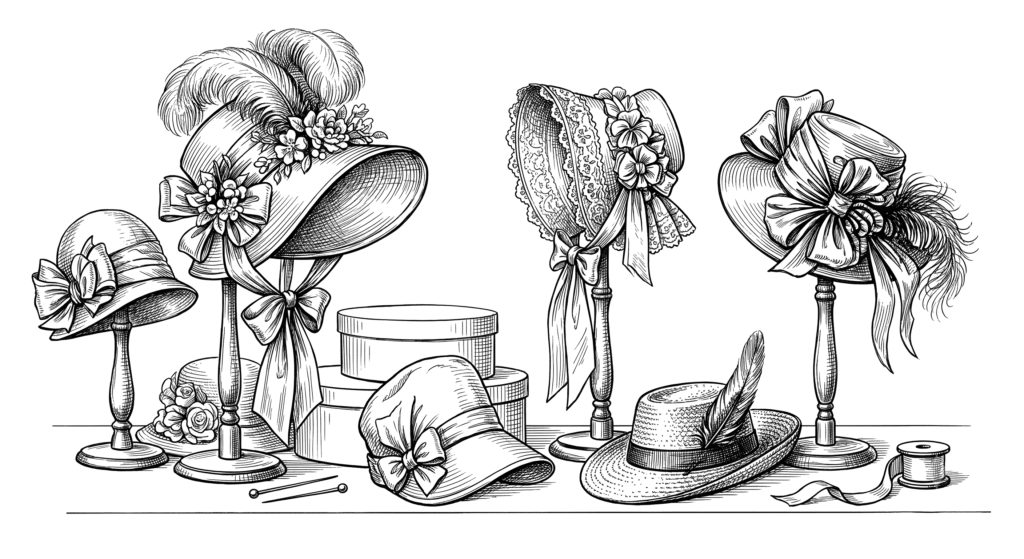
30th, Wednesday.
In the morning I walked with Mama for a long time; we were looking for a hairdresser. At one o’clock in the afternoon, Tamburini arrived, although we did not learn a single song, as my voice was very hoarse. Tamburini stayed with us for more than an hour. Mama was not at home, and he needed to be paid for this time. He told me many interesting things about these parts and about Russia, and especially about his stay in Constantinople: about the places there, the Sultan, the customs, and other things. Aunt Jette was with us with her children; in the evening Annette and Ivan And[reyevich] visited us.
What a magnificent continuation of our journey through the diary! From her native autumnal Estonia, through a stormy night and cramped post stations, Sophie and her family arrive in glittering St. Petersburg! What an astonishing contrast: having begun this diary in tears, torn between a strict father and a rejected suitor on a remote Estonian estate, Sophie finds herself at the epicenter of capital life. There, she is awaited by her grandfather, shopping in the Gostiny Dvor (“in the shops”), librettos from the Italian Theatre, and an absolute historical gem: vocal lessons from the global opera superstar of the time!
Before us unfolds a veritable time capsule. Sophie’s diary transforms into a luxurious guidebook to 1840s St. Petersburg.
It has everything: strolls along Nevsky Prospect (the “Perspective”), hot chocolate in confectioneries, and an absolutely stunning scene with the great opera singer Tamburini, who, instead of the singing lesson canceled due to Sophie’s sore throat, entertains her with tall tales about the Turkish Sultan while her mother is out.
All article commentary
1. “Where is all that joy?”: The entry for September 2nd is a masterpiece of psychological candor. Sophie writes: “Wo ist all Freude die ein junges Braut Herz füllen soll!” (Where is all that joy that should fill the heart of a young bride!). This is a brilliant illustration of how real feelings collided with the literary and social expectations of the Romantic era. She is expected to radiate happiness, but instead she experiences panic and a profound sense of alienation from her fiancé.
2. Dr. Hunnius: Carl Abraham Hunnius is the legendary physician and founder of the Haapsalu (Hapsal) resort. Seeing her daughter in hysterics (headaches, unprovoked tears, sheer exhaustion), Mother drags her straight to the best doctor in town. Hunnius writes her a prescription (likely a sedative), which immediately puts her to sleep.
3. Otto von Kursell’s Reaction: Otto arrives on September 4th and immediately sees that his bride is hiding from him and can barely speak. During their conversation in the garden, he becomes “sehr betrübt” (very saddened/upset). He understands her state, and Sophie is pierced with guilt: she feels as if she is “deceiving him” (als betrüge ich Ihn) by not being able to return his joy.
4. The Broken Engagement: This is an absolutely astounding twist. Otto von Kursell, seeing his bride’s panic and tears on September 4th, demonstrated an incredible respect for her feelings, especially for that era. Rather than insisting on his rights as a fiancé, he wrote her a letter stating “er gebe mich frei” (he returns my freedom / releases me).
5. I also spoke with her about my former relations with Pyotr And… This is further confirmation that Sophie had once harbored a romantic attachment, perhaps a childhood infatuation, for her St. Petersburg uncle Pyotr Severin, who was in Hamburg at the time. A marriage between an uncle and niece, or an aunt and nephew, was permissible in Baltic German families; while not overly common, it was certainly not considered taboo. A perfect illustration of the hopelessly tangled matrimonial ties within the Baltic nobility can be seen in the Liphart family, Sophie’s distant relatives: Count Otto Magnus Stackelberg married his first cousin once removed, Charlotte Liphart, and their daughter Constance married her maternal uncle Benjamin Liphart. Moreover, the bride’s mother and her groom were also second cousins, and, incidentally, second cousins to Natalia Pushkina-Lanskaya (Alexander Pushkin’s wife).
6. The Rejection Letter and the Apples: Sophie’s mother sends the official letter breaking off the engagement on September 6th, while simultaneously thanking the Kursell family for the gift of apples from their Sinalep estate. This contrast between high-society politeness (“thanks for the apples”) and shattered destinies (“the engagement is off”) is incredibly cinematic.
7. The Thwarted Meeting (September 7th): Unable to bear it, Kursell arrives the next day to try and speak with Sophie. But the strict mother stands her ground and denies him access to her daughter, arguing that it would be “terribly hard” on their nerves. Sophie only learns of his visit after he has left, and plunges into bitter remorse; she realizes that she loves him after all!
8. A Visit to the Doctor: Once again, Mother, seeing that her daughter isn’t eating, is crying constantly, and driving herself to exhaustion forces her to see the local medical luminary, Dr. Hunnius. Sophie is indignant (“with tremendous reluctance… repulsive to me”), as she has no desire to discuss her romantic heartache with a doctor. To make matters worse, the doctor rubs salt in the wound by prying: “Are you a bride by any chance?”
9. The Schottanes Manor (Est. Tahu) – an estate near Paslep owned by Carl Hunnius.
10. A Broken Heart and the Moon: Sophie’s reflections on September 9th are full of incredible tragedy and bitter self-reflection. She looks at the moon and realizes that just a month ago (in August, when the suitor proposed to her), she had looked at it happily, hoping to love and be loved. Now she grasps the fickleness of the human heart, confessing that in these few days she had endured an amount of pain that would normally take years to experience.
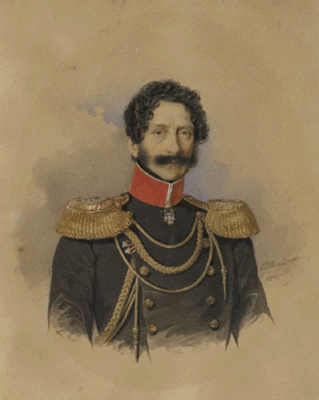
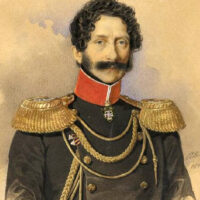
11. Uncle Pontus – Vladimir Karlovich Knorring (Ger. Karl Pontus Woldemar von Knorring; 1784 1864) Sophie’s father’s brother, commander of the Guards Reserve Cavalry Corps from 1835-1847; promoted to General-Adjutant on December 6, 1838, and to General of the Cavalry on April 16, 1841. It is also known that after Mikhail Lermontov’s first duel, he interceded with the Emperor for the poet’s pardon, citing his patriotism, adherence to the ideals of honor, and great combat merits in the Caucasus War.
12. Washed the apples (выкупала яблоки) – This likely refers to buying apples from the peasants (“выкупать”, to purchase/redeem). Sophie is, after all, a landowner’s daughter. It should be noted that peasants in the Governorate of Estonia had been personally free since 1816, unlike in the core Russian provinces, where serfdom was abolished only in 1861.
13. Tea by Candlelight: “Wir tranken zum ersten mal mit Licht den Thee” (We drank tea by the light [of candles] for the first time). A beautiful seasonal detail. In September, daylight in northern Estonia begins to recede rapidly, and candles must be lit for the traditional evening tea.
14. Grandmamma’s Disappointment: The entry from September 12th is a classic of noble family dynamics. The strict grandmother in Kedik is displeased that such an advantageous engagement has fallen through. Her verdict is harsh: “was beßeres wird nicht kommen” (nothing better is coming / she won’t find a better match).
15. Travel Permit (die Padorojna): Sophie writes the Russian word podorozhnaya using German letters. In the Russian Empire (which included the Governorate of Estonia), a podorozhnaya (travel document/waybill) was a mandatory official document required to use state post-horses. Her father goes to Hapsal to arrange this document, as the family is preparing for a long journey (evidently to change the scenery after the scandal of the broken engagement).
16. Death Notice (Anzeige): Receiving mourning letters (often with black borders) was the norm. Sophie takes the news of her acquaintance Annchen’s death philosophically and with relief: the girl had been ill for a long time, was beyond hope, and death put an end to her earthly suffering.
17. The Ultimate Destination: The entry from September 19th reveals the intrigue behind the “podorozhnaya” her father had gone to fetch on the previous page. It turns out the family isn’t just passing through Revel (Tallinn) for fun; their final destination is St. Petersburg!
18. Haggers: Now Hageri in Estonia. In the 19th century, it was a typical parish and post station on the tract where travelers from Hapsal or the Estonian manors would stop to rest on their way to Tallinn.
19. Hôtel de Pétersbourg: The St. Petersburg Hotel, the oldest and most prestigious hotel in Tallinn, is located at 7 Rataskaevu Street. The fact that they stay there underscores their high social status.
20. Mother’s Hopes: During their stop in Haggers, Mama shares her hope with Sophie that her relationship with Kursell “will soon be set right again.” As we know from history, her maternal intuition was spot on, a year later, in 1842, they would indeed marry!
21. The Rehekampffs – a dynasty of Revel merchants ennobled in the 17th century. Adelheid is one of the daughters of Friedrich Rehekampff. One can only guess what gossip Adelheid passed on to Sophie about her fiancé, but the reasons for the malicious rumors are quite clear: all three of Friedrich Rehekampff’s daughters (1816-1889), including Adelheid, remained unmarried spinsters.
22. And so the two of us departed – this note adds further detail to our knowledge of the speed and methods of travel in Russia during the 1830s and 40s, before the advent of railways. Unfortunately, Sophie is sparing with details when describing the route between Revel and St. Petersburg. We can note that the travelers covered a distance of about 370 km, or 346 versts, in 2.5 days, with two overnight stays – in Vaivara and Kipen. This is quite fast: for the Larins (mother and daughter in Pushkin’s Eugene Onegin), the journey from their fictional Pskov province to Moscow took a whole week: “they traveled for seven days.” Moreover, the Knorring mother and daughter traveled in their own carriage (see the entry for Sept. 18th) with stops at post stations, and even took a detour to visit relatives, the Velho family.
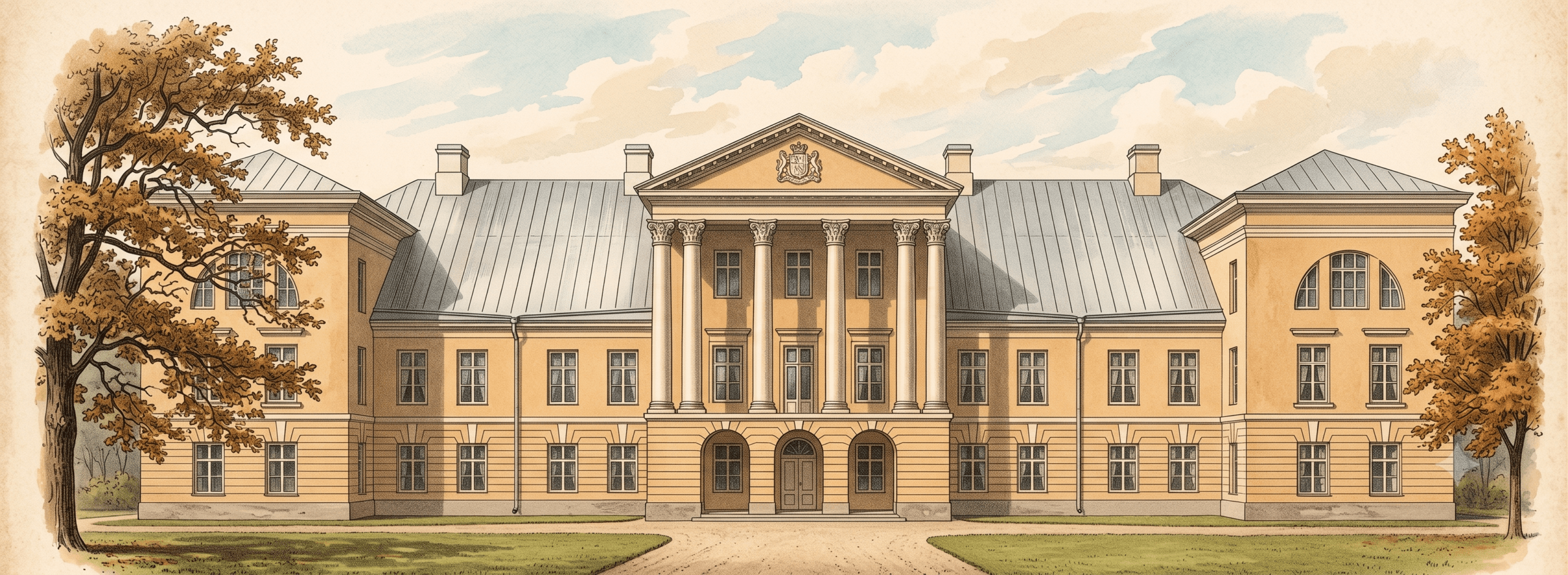
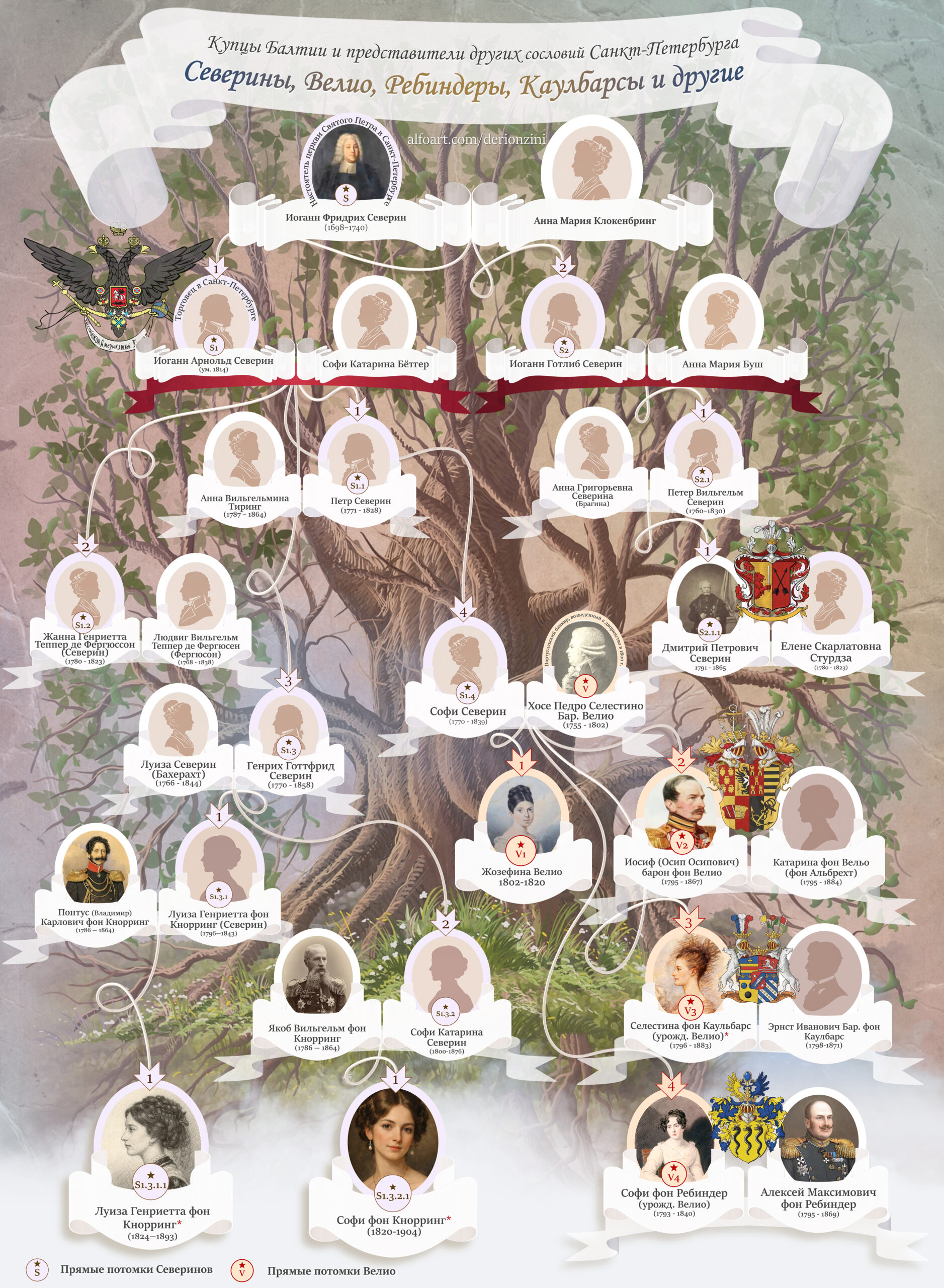
23. The Velho Family – Baron Osip Osipovich (or more accurately, Joseph Josephovich) Velho (1795 – 1867), Sophie’s mother’s cousin. He lost his right arm in 1825 while attacking the rebels during the Decembrist Revolt on Senate Square. In 1841, he served as the commandant of Narva and built a palace in the city that survives to this day. Later, he became a General of the Cavalry and the commandant of Tsarskoye Selo. His wife: Ekaterina Albrecht (1795 – 1884), daughter of Colonel I. L. Albrecht of the Life Guards Semyonovsky Regiment. In 1838, Ekaterina Ivanovna purchased the Gomontovo estate (which Sophie spells as Khomutovo, here and below; words Sophie wrote in Russian in her German diary are marked in italics), considered one of the finest in the Peterhof district. This is where the travelers dropped in. The family had three children: Nikolai (1827 – 1865), Ivan Osipovich (1830 – 1899, later an Actual Privy Councilor, Senator, and member of the State Council of the Russian Empire), and daughter Erminia (1835 – 1917, later a lady-in-waiting and memoirist).
24. The Kolk Manor (Est. Kolga) – the largest manorial estate in Estonia, comprising about 50,000 hectares of land, including the forest through which the post road between Revel and St. Petersburg passed at the time. For a long time, it belonged to the countly Stenbock family.
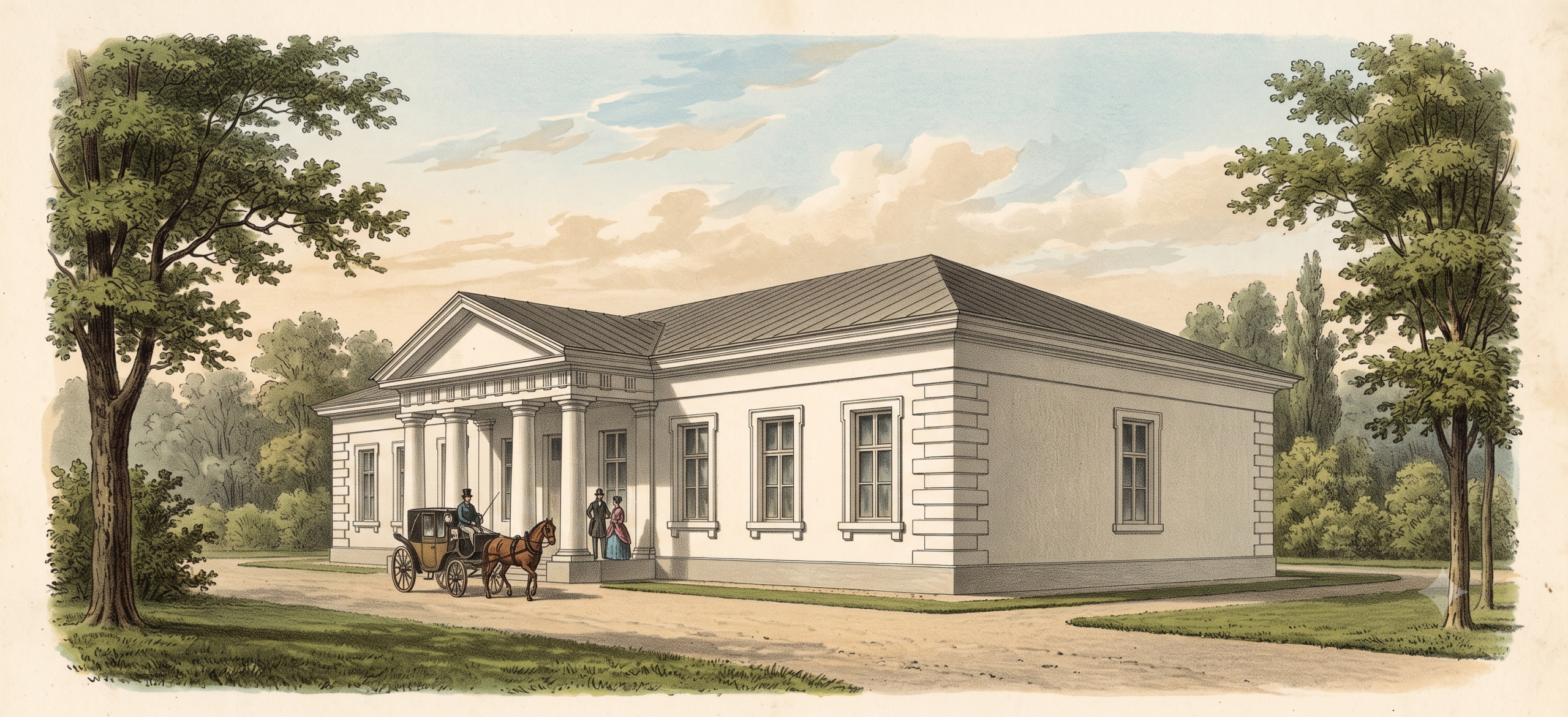
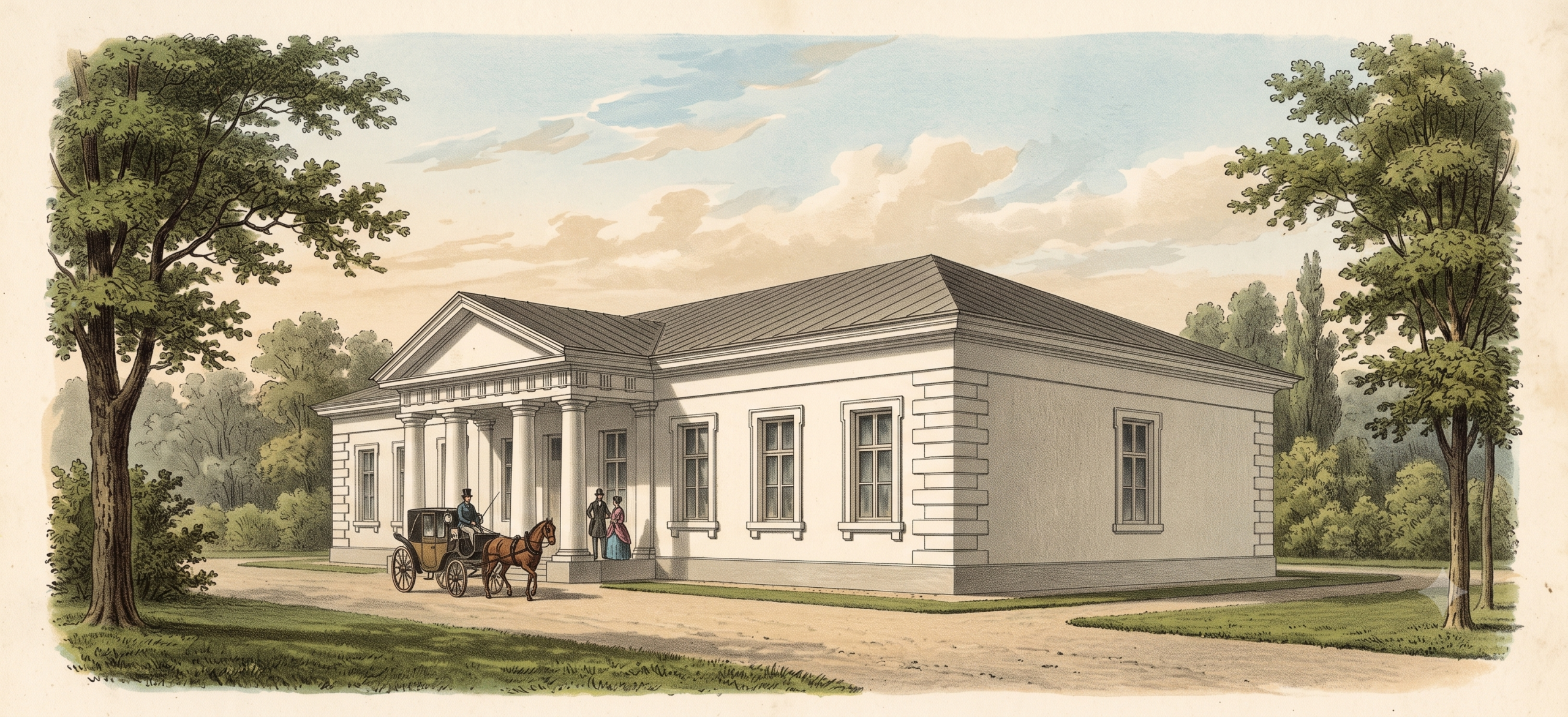
25. Hohenkreuz (Est. Pikaristi), a post station halfway between Revel and Narva. Sophie is critical in her description of the amenities for travelers, particularly the size of the coffee pot. The station building has survived and is registered as an architectural monument, though it currently sits in a dilapidated state.
26. Vaivara – a post station on the approach to Narva. The building has not survived.
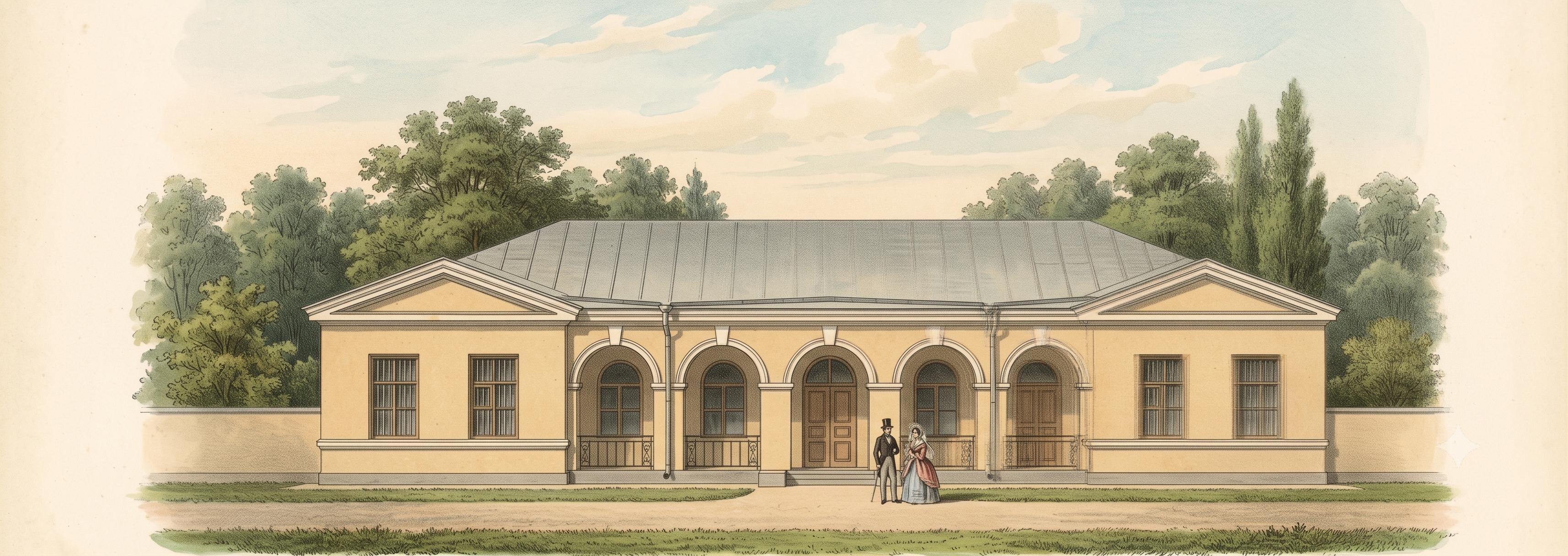
27. Cherkovitsy (correctly – Chirkovitsy) and Kipen – post stations on the Narva tract in the St. Petersburg Governorate. (Words Sophie wrote in Russian in the diary are marked in italics). The stations were built in 1806 – 1807 according to a standardized design by the architect Luigi Rusca along the Revel tract every 40 versts. The main building was used to receive travelers and coachmen. One wing housed a large room and a small room for registering travelers. The second wing held the stables and a forge. Both wings were connected to the main building by stone gates, creating an enclosed courtyard for the post station, which housed carriage sheds and even a bathhouse (!) Sophie’s diary sheds light on how a 19th-century traveler actually felt at such a station.
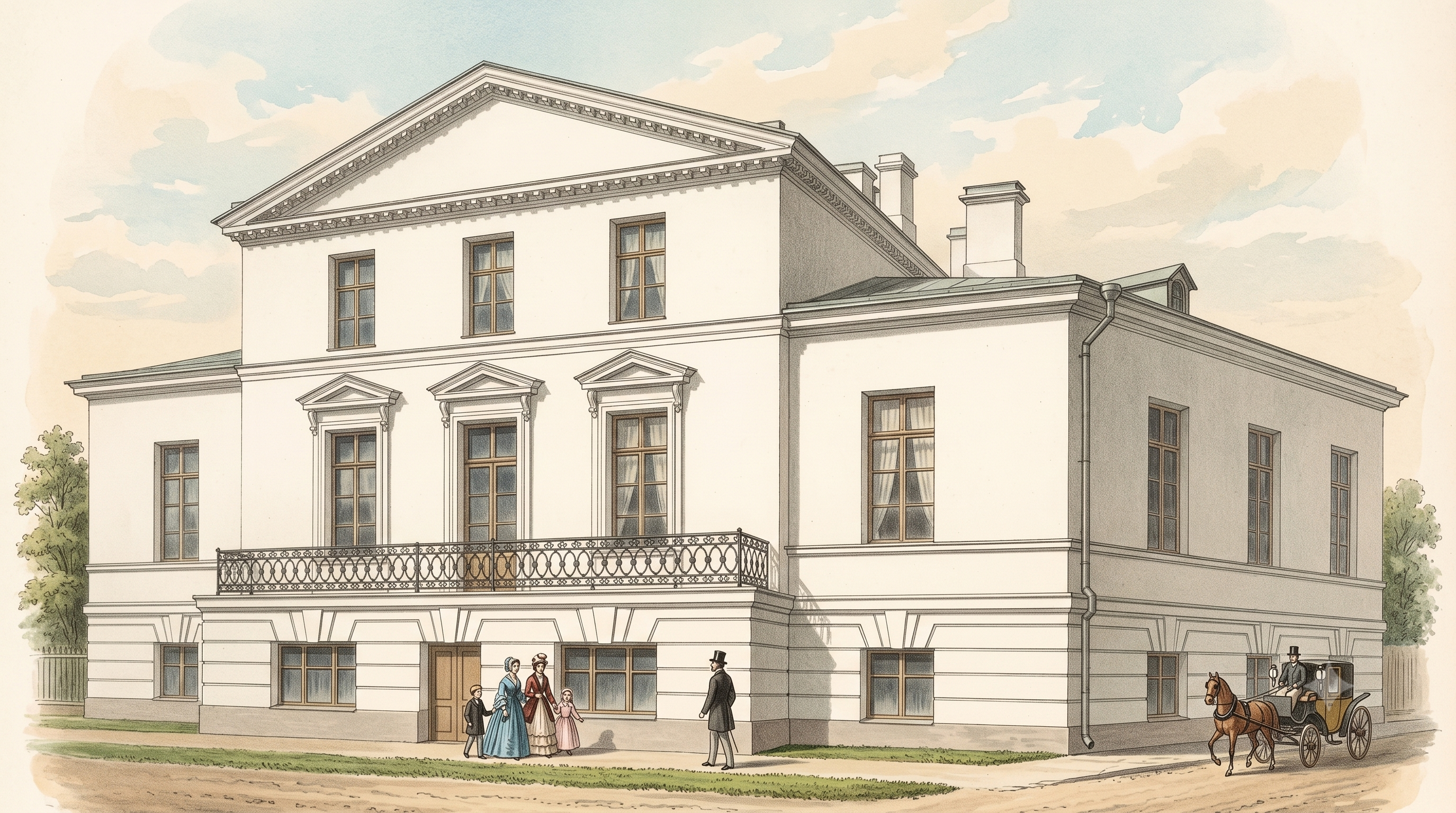
28. Strelna – a settlement between St. Petersburg and Peterhof, famous for the Grand Ducal palace, which hosted the G8 summit in July 2006. The post station in Strelna was built in 1784-1785 to the designs of architects N. Lvov and F. Volkov. It was here that A. Pushkin wrote a farewell poem to N. Kiselev, who was departing abroad (presumably via the Revel tract): “Seek health and freedom in a foreign land…” It is an object of federal cultural heritage, though currently in a deplorable state.
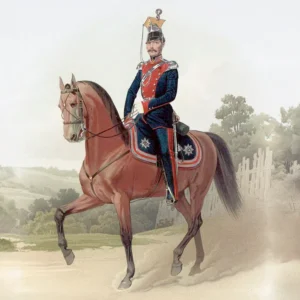
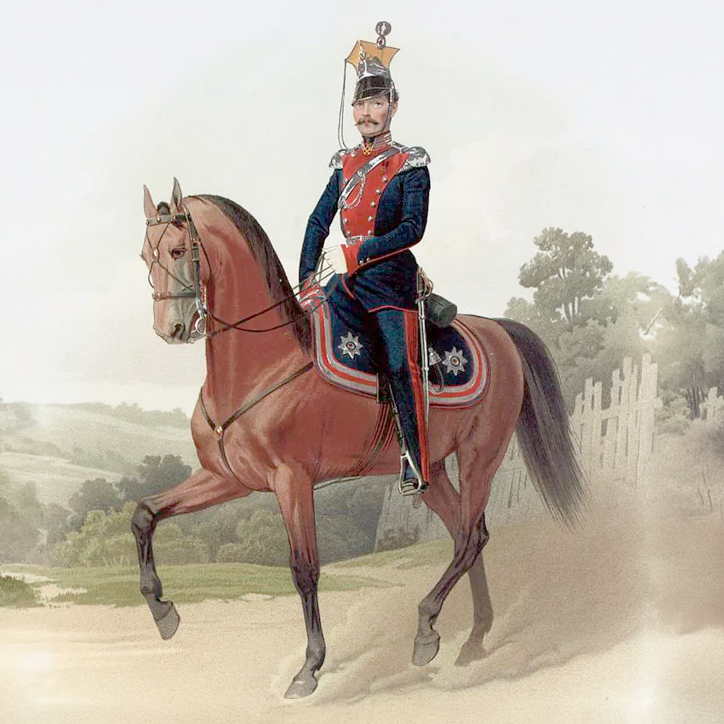
29. A regiment passed by us heading to Peter[hof] – Peterhof, a suburb of St. Petersburg known for its imperial palace and fountain park. Most likely, Sophie observed the Life Guards Uhlan Regiment returning from their annual summer maneuvers in Krasnoye Selo to their winter quarters in Peterhof. The regiment’s commander at the time was Major General His Serene Highness Prince Andrei (Otto-Andreas) Karlovich von Lieven. He soon retired and married his own niece, Charlotte von Lieven, his brother’s daughter.
30. Grandfather, aunt, cousins: Sophie’s St. Petersburg relatives on her mother’s side, née Severin. Grandfather – Andrei Severin, a prominent St. Petersburg merchant, banker, and director of the Russian-American Company; Aunt – Louisa Knorring, Sophie’s mother’s sister, married to Pontus Knorring, her father’s brother; cousins (sons of Aunt Louisa and Uncle Pontus) Konstantin (1820-1903, later an officer and Baltic landowner) and Charles (or Carl, 1823-1871, later a diplomat and Russian ambassador to Portugal and the Netherlands); Aunt Jette (Henrietta) and Ivan Andreyevich – the brother and sister of Mother Louisa.
31. “In the shops” (in den Buden): This is what the Baltic Germans called the Gostiny Dvor on Nevsky Prospect, where Mother and her female relatives went shopping immediately upon arriving in the capital.
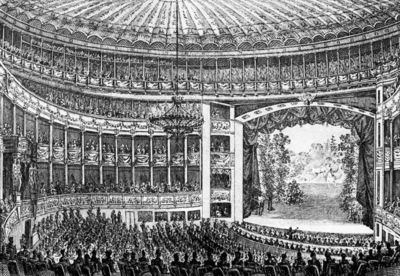
32. The Repertoire of the Italian Theatre: Cousin Carl (Charles) brings Sophie the repertoire from the Italian Theatre (the Imperial Bolshoi Kamenny Theatre in the 1840s, which was subscribed to by Italian troupes). St. Petersburg during these years was absolutely mad for Italian opera, and Sophie plunges right into this high-society fad.
33. Madame Collins – Juliana Catharina, née Berwald (1796 Stockholm – 1871 SPb), widow of Eduard Collins (Ger. Edward Albert Christopher Ludwig von Collins), a mathematician, academician of the St. Petersburg Academy of Sciences, and director of the Petrischule. Her husband taught mathematics to the heir to the Russian throne, Grand Duke Alexander Nikolaevich (the future Emperor), as well as to Grand Duke Konstantin Nikolaevich, and the Grand Duchesses Maria, Olga, and Alexandra Nikolaevna. She is the first in a long string of visits to Sophie’s St. Petersburg relatives and acquaintances.
34. We paid a visit, Social visits were the backbone of women’s social lives: they helped maintain family ties, exchange news, and arrange marriages. Married ladies arrived in carriages with servants, while young unmarried women were always chaperoned by older female relatives. If the hostess was not receiving, a calling card was left with French abbreviations: 🏷️ P.P. (pour prendre congé, farewell visit), P.F. (pour féliciter, congratulations), P.C. (pour condoler, condolences). The receptions themselves took place in the formal drawing room, where up to five ladies could be present at once. Communication adhered to strict etiquette, with no transition to personal topics. 🗣️ Topics and Etiquette: Conversation touched upon predictable matters, health, balls, the theater, new appointments, travels, and Parisian fashion. Young girls stayed in the background and spoke only when addressed. A society lady’s art lay in her ability to elegantly glean news, show politeness, and leave a pleasant impression. ⏱️ Duration: A formal visit lasted 10–15 minutes; a visit to a friend, up to half an hour. The arrival of the next guest served as an unspoken signal to leave. 👗 Dress Code and Reception: Ball gowns were strictly out of the question. A silk or woolen day dress, a hat, gloves, a shawl, and modest jewelry were required. ☕ Refreshments (tea, chocolate, sweets) were by no means always served. The French diplomat and memoirist Astolphe de Custine, who visited Russia shortly before 1841, noted that in St. Petersburg society, immense importance was placed precisely on the outward forms of courtesy and adherence to ritual. A social visit was not so much an intimate conversation as a carefully choreographed social performance, where every detail, from the time of arrival to the order of departure, mattered.
35. Signor Tamburini: This is simply a fantastic historical detail! The legendary opera singer Antonio Tamburini (Italian operatic baritone; March 28, 1800 November 8, 1876) was one of the greatest Italian operatic baritones of the 19th century. Right at the beginning of the 1840s, he was performing to massive triumph in St. Petersburg as part of the legendary Imperial Italian Opera Troupe (alongside Pauline Viardot and Giovanni Rubini). The fact that Sophie is taking private vocal lessons from him speaks volumes about the supreme social status and wealth of her family!
35-2. Tamburini, instead of the singing lesson canceled due to Sophie’s sore throat, entertains her with tall tales about the Turkish Sultan.
36. Pastor Nielsen – Franz Nielsen, pastor of the Evangelical Sarepta Society (a Moravian/Herrnhuter community in the Volga region). The community’s prayer house and its St. Petersburg representation were located on Konnogvardeysky Lane.
37. Madame Pesarovius (Pomian-Pesarovius, Anna Fedorovna), wife of Privy Councilor Paul Pesarovius, who at the time was the vice-president of the St. Petersburg Evangelical Consistory. Her husband was also the founder and editor of the newspaper “Russky Invalid” (The Russian Invalid) and a renowned philanthropist.
38. Ovander – Johann Carl Ovander, the husband of Aunt Jette, Sophie’s mother’s sister. Technically, Sophie’s uncle on her mother’s side. His brother, Major General Vasily Ovander, was the commander of the Life Guards Volynsky Regiment. He came from a family of St. Petersburg merchants.
38.2 Victor Kilche was a relative of the court surgeon Kelchen (grandson?); Kurzel’s sister Julia was married to Johann Kelchen, which is perhaps why Sophie calls him her cousin. He was also probably a relative of the diplomat Alexander Kelchen, the Russian consul in Boston (USA), whose portrait is on display in the Metropolitan Museum.
39. Robert Daler – son or relative of Karl Christianovich Daler (1768 – 1838) – court physician (1816) and personal doctor to Aleksey Arakcheev. As noted by Polovtsov, the elder Daler “distinguished himself in the Patriotic War by diligently treating the wounded and was made Chief Physician of the Guards Corps for it.” Therefore, Robert Daler was a welcome guest in the household of Pontus Knorring.
National Archives of Estonia (EAA). F. 1334. Inv. 1. F. 78. EAA.1334.1.78 Tagebuch der Sophie von Knorring. [Diary of Sophie von Knorring. Volume II] (1841–1842).
← Read August 1841 | October 1841 →
Discover more from Strahlborn and De Rionzini
Subscribe to get the latest posts sent to your email.

What an incredible and poignant page! We have just witnessed a classic psychological crisis. Sophie finally got what she fought so long for (her father’s consent to marry the man she loves), but the moment the betrothal became a reality, she was overwhelmed by a severe panic attack and “cold feet.”
The handwriting on the right page becomes chaotic, tangled, and disjointed; she writes of her tears, guilt, and doubts. She drives herself to such physical exhaustion that her mother takes her into town to see a famous doctor. And the poor suitor, seeing her condition, falls into despair.
The diary has turned into a veritable psychological thriller. We thought the worst was behind us once Papa gave his consent. But no!
It turns out Sophie had a full-blown panic attack, and the engagement was broken off literally a couple of days after it was made! Otto von Kursell, seeing her wavering and coldness, displayed incredible nobility and wrote her a letter completely returning her freedom. And as soon as the official refusal was sent, Sophie realized what a monstrous mistake she had made and plunged into the abyss of bitter remorse.